Best Ways to Save Money Fast Without Feeling Restricted
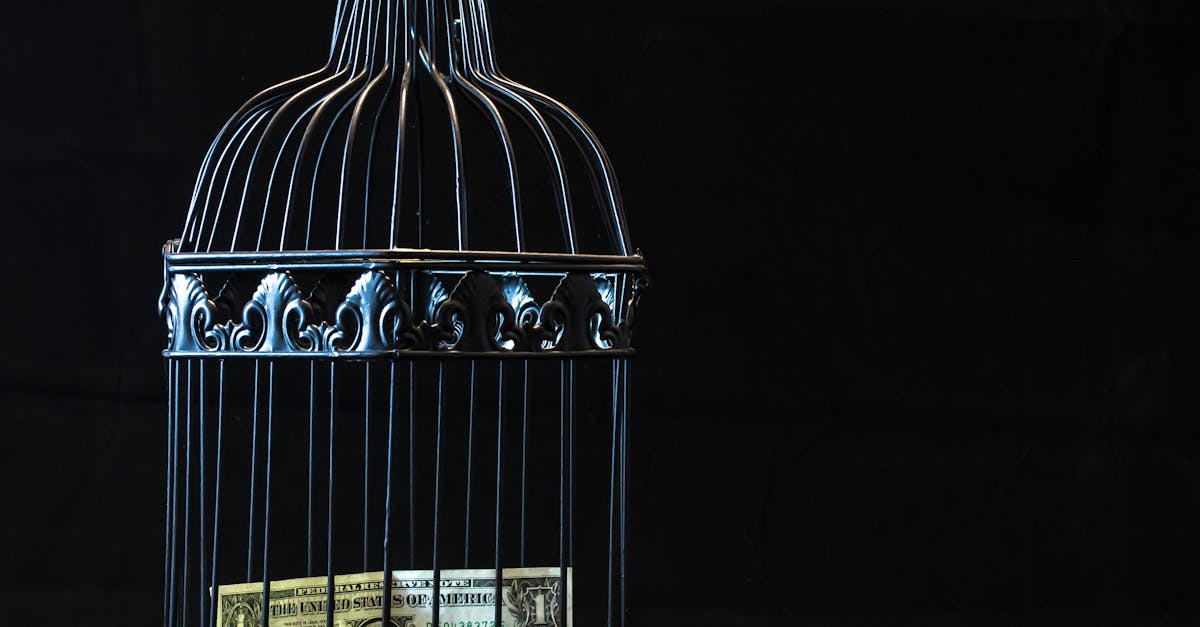
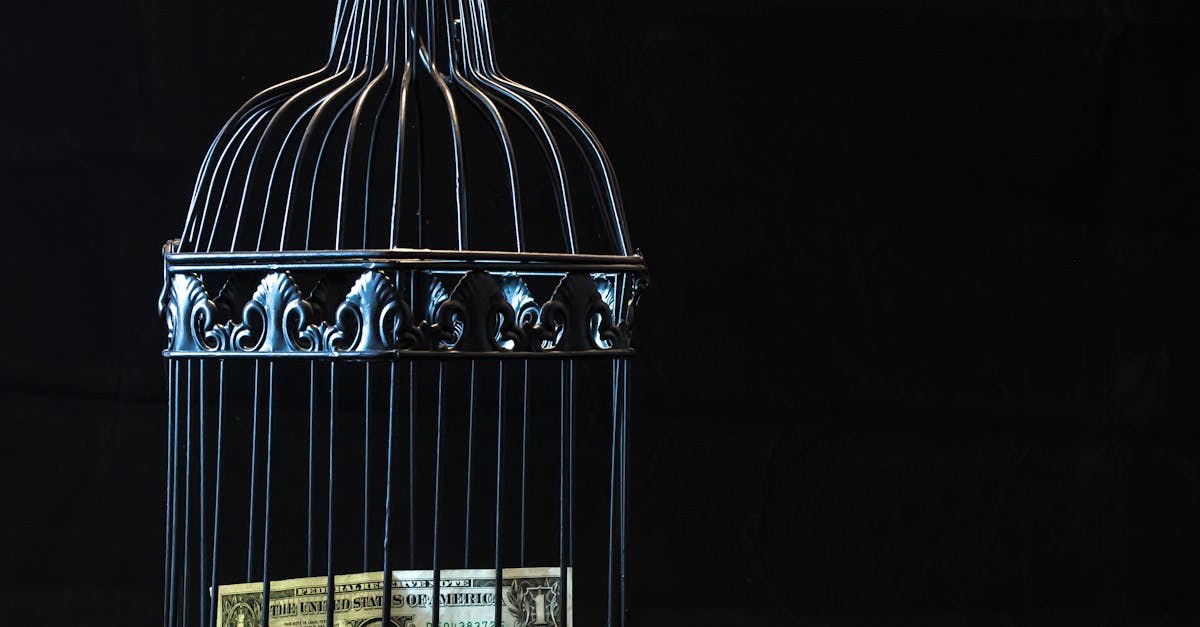
Have you ever felt like budgeting is just a fancy word for a prison sentence? Many of us view saving money as a process of cutting out everything that makes life worth living. We imagine ourselves eating bland oatmeal, skipping every social outing, and staring at a blank wall for entertainment just to put a few extra dollars into a savings account. But here is the secret that financial gurus rarely tell you: saving money does not have to feel like a punishment. It is actually a path to liberation. Think of it like cleaning out a cluttered closet; you are not losing your belongings, you are making space for the things that actually fit your life.
Shifting Your Mindset From Restriction to Freedom
Most people fail at saving because they approach it from a place of scarcity. When you tell yourself, I cannot afford this, you are focusing on your limitations. Try swapping that for, I choose to spend my money on things that matter more to me. This shift turns you from a victim of your bank account into the captain of your financial ship. It is about aligning your spending with your values. If you love travel, spending 50 dollars on a fancy dinner you do not even remember next week is not a sacrifice; it is a distraction from your actual goal. Saving is simply the act of funneling resources toward your true priorities.
The Financial Audit: Finding Hidden Leaks in Your Budget
Before you start cutting back, you need a map. Most of us have no idea where our money goes, and that is where the leaks happen. Take one hour this weekend to pull up your credit card and bank statements from the last thirty days. Do not judge yourself for what you see. Just look for patterns. Are there recurring charges for apps you forgot about? Are you spending twice as much on takeout as you realized? Treating this like a scavenger hunt makes it feel less like a chore and more like detective work.
Pruning Your Subscription Garden
We live in the era of the monthly drip. Everything is a subscription now, from streaming services to software to snack boxes. These small charges are like weeds in a garden; one is not a problem, but if you let them grow, they choke out your financial growth. Audit every single recurring charge. If you have not used a streaming platform in the last two weeks, cancel it. You can always sign up again later if you need it. By pruning these subscriptions, you can often reclaim fifty to one hundred dollars per month without changing your daily lifestyle.
Strategic Grocery Shopping Hacks That Actually Work
Food is one of our biggest flexible costs. You have to eat, but you do not have to spend a fortune doing it. The goal is to maximize nutrition while minimizing waste.
The Power of Meal Prep and Inventory Management
The biggest enemy of your wallet is the question, What is for dinner? when you are tired after work. This is when the delivery apps win. If you have a plan for at least three nights a week, you remove the decision fatigue that leads to expensive takeout. Check your pantry before you shop. How many times have you bought a jar of spices only to find you already have three? Using what you already own is the fastest way to save money instantly.
Why Generic Brands Are Your Best Friend
Marketing is expensive, and you are the one paying for it every time you buy a name brand. Most generic, store brand products are manufactured in the exact same facilities as the big name brands. Compare the ingredient labels. If they are identical, buy the cheaper version. You are essentially paying a premium for a fancy logo. Over a year, this small switch can save you hundreds of dollars with zero impact on the quality of your meals.
Crushing Utility Bills Without Sitting in the Dark
You do not need to freeze in the winter or sweat through the summer to save on utilities. Technology is on your side here. A programmable thermostat is a game changer. It adjusts the temperature while you are sleeping or at work, ensuring you are not paying to heat or cool an empty house. Additionally, seal the gaps around your windows and doors. These tiny drafts are like having a hole in your pocket; they bleed money slowly but constantly.
Redefining Fun: High Joy Low Cost Experiences
We often equate spending money with having a good time, but some of the best memories do not cost a dime. Host a potluck dinner instead of going out to a restaurant. Check your local community calendar for free concerts, hiking trails, or museum days. The key is to be proactive. If you wait until Friday night to decide what to do, you will end up spending money just for the sake of entertainment. By planning low cost social activities, you keep your social life vibrant without the hefty price tag.
The Magic of Automated Savings
Willpower is a finite resource. If you wait until the end of the month to save what is left over, you will likely find that nothing is left. Set up an automatic transfer for the day after you get paid. Even if it is just twenty dollars, the act of paying yourself first creates a psychological shift. You learn to live on the remaining balance, and your savings grow in the background without you having to think about it. It is the closest thing to a financial cheat code.
Tackling High Interest Debt to Free Up Cash Flow
High interest debt is the anchor slowing down your ship. If you are paying 20 percent interest on a credit card, you are essentially paying for nothing. Prioritize paying off your highest interest debt first. Use the snowball method or the avalanche method to gain momentum. As you pay off these balances, the minimum payments you were making disappear, instantly increasing your monthly cash flow. This is not just about being debt free; it is about keeping more of the money you earn.
Monetizing Your Passion Projects for Extra Income
Saving money is one side of the coin; making more is the other. What are you good at? Whether it is graphic design, dog walking, or freelance writing, there is likely someone willing to pay for your skills. Using your spare time to generate a little extra cash can accelerate your savings goals significantly. Plus, it provides a sense of accomplishment that goes beyond just watching a bank balance climb.
Mastering the Impulse Control Technique
The twenty four hour rule is your greatest defense against impulse buying. If you see something you want, wait twenty four hours before purchasing it. In almost every case, the emotional urge to buy will fade. If you still want it after a day, you can evaluate if it truly adds value to your life. Most of the time, you will realize you did not actually need it, and you will have saved yourself from a regretful purchase.
The Hidden Savings in Policy Optimization
When was the last time you compared auto or home insurance rates? Loyalty rarely pays off with insurance companies. They often increase premiums for long term customers while offering low rates to new ones. Shopping around every two years can save you hundreds. Additionally, ask about bundling policies or increasing your deductibles if you have a solid emergency fund. You could be overpaying for coverage you do not need.
Rethinking Transportation Costs
Transportation is often our second largest expense. Between car payments, fuel, insurance, and maintenance, it adds up fast. While not everyone can give up their car, small changes make a difference. Combine your errands into one trip to save fuel. Keep your tires properly inflated to improve gas mileage. If your commute allows, carpooling or using public transit even twice a week can drastically reduce your annual wear and tear costs.
Avoiding the Lifestyle Creep Trap
Lifestyle creep happens when your spending increases at the same rate as your income. You get a raise, so you buy a nicer car. You get a bonus, so you upgrade your apartment. It feels like you are just living, but you are actually sabotaging your future self. When your income goes up, try to keep your expenses exactly where they are. Take that extra money and put it toward your savings or investments. You will not miss the money you never got used to spending.
Building Your Future With Micro Savings
We often get discouraged when we cannot save thousands of dollars at once. But remember, a mountain is made of small stones. Even saving five dollars a week adds up to over two hundred dollars a year. That is enough to cover a significant emergency expense or a small vacation. Focus on the habit of saving, not just the amount. Once the habit is locked in, you can always increase the volume later. The most important thing is that you have started the momentum.
Conclusion: Consistency Over Intensity
At the end of the day, saving money is a marathon, not a sprint. You do not need to overhaul your entire life overnight. Pick one or two strategies from this list and implement them this week. As you see the positive impact on your bank account and your stress levels, you will naturally want to incorporate more. Remember, the goal is not to live a restricted life, but to live a life where your money works for you, not against you. Stay consistent, stay patient, and keep your eyes on the freedom you are building for yourself.
Frequently Asked Questions
1. How much should I aim to save each month if I am just starting out?
Start with a percentage that feels comfortable, even if it is only 5 percent of your income. The goal is to build the habit first. Once you adjust to living on less, you can increase that percentage slowly over time.
2. What is the best way to handle unexpected expenses while trying to save?
Build an emergency fund, even if it is just one thousand dollars, before aggressively paying off debt or investing. This fund acts as a buffer, so you do not have to rely on credit cards when a car repair or medical bill pops up.
3. Can I still have a social life while trying to save money?
Absolutely. Focus on high quality, low cost social interactions. Host game nights, potlucks, or explore free outdoor activities. Your friends will appreciate the quality time, and your bank account will thank you for the lack of expensive bar tabs.
4. Is it better to pay off debt or save money?
It is usually a balance. Keep a small emergency fund of one thousand dollars for immediate needs, then attack high interest debt with everything you have. Once the debt is gone, you can redirect those payments into your savings and investments.
5. How do I stop feeling guilty about spending money on things I enjoy?
If you have budgeted for your necessities and your savings goals, you should not feel guilty about spending what is left on things you enjoy. That is the point of a budget; it gives you permission to spend without worry because you know your priorities are covered.